
We use bats to uncover biological insights essential to human health that lie beyond the reach of established animal models.
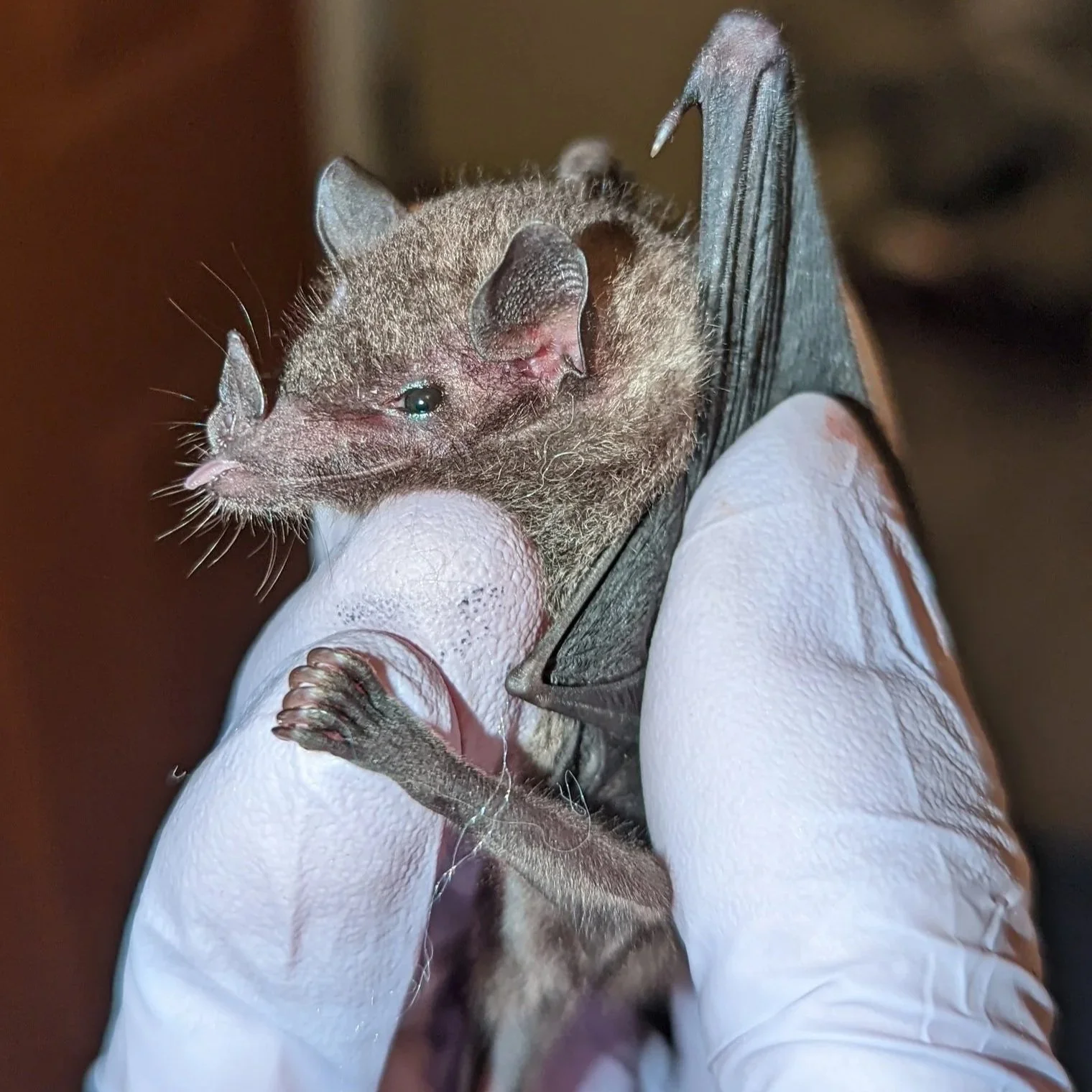
🌸 Anoura geoffroyi , from Trinidad, pollinates a diverse assemblage of night-blooming plants across the Neotropics, supporting floral diversity and ecosystem resilience through its extensive foraging networks.
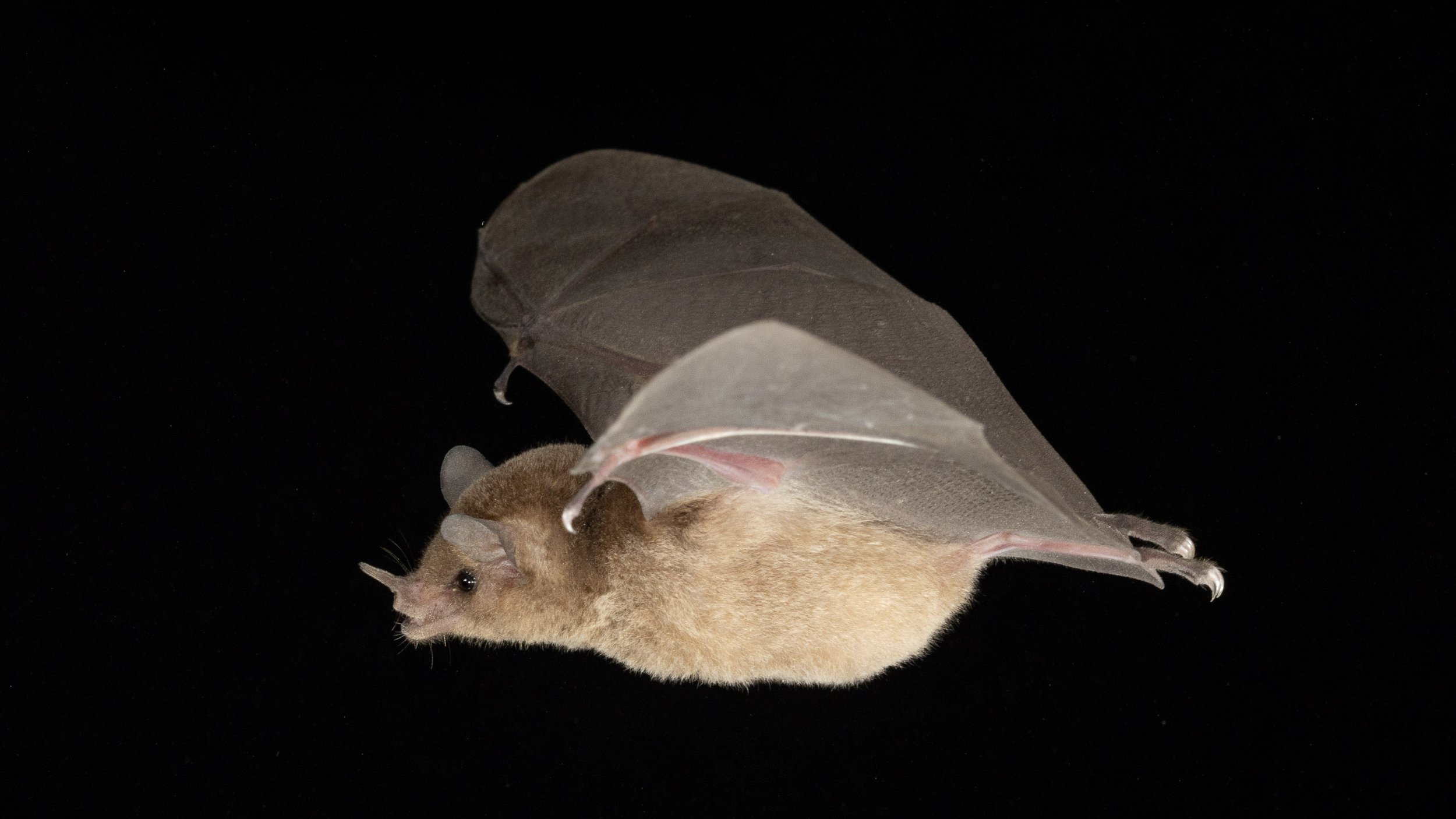
🌸 Glossophaga mutica from Belize.

🌸 Glossophaga commissarisi from Belize.
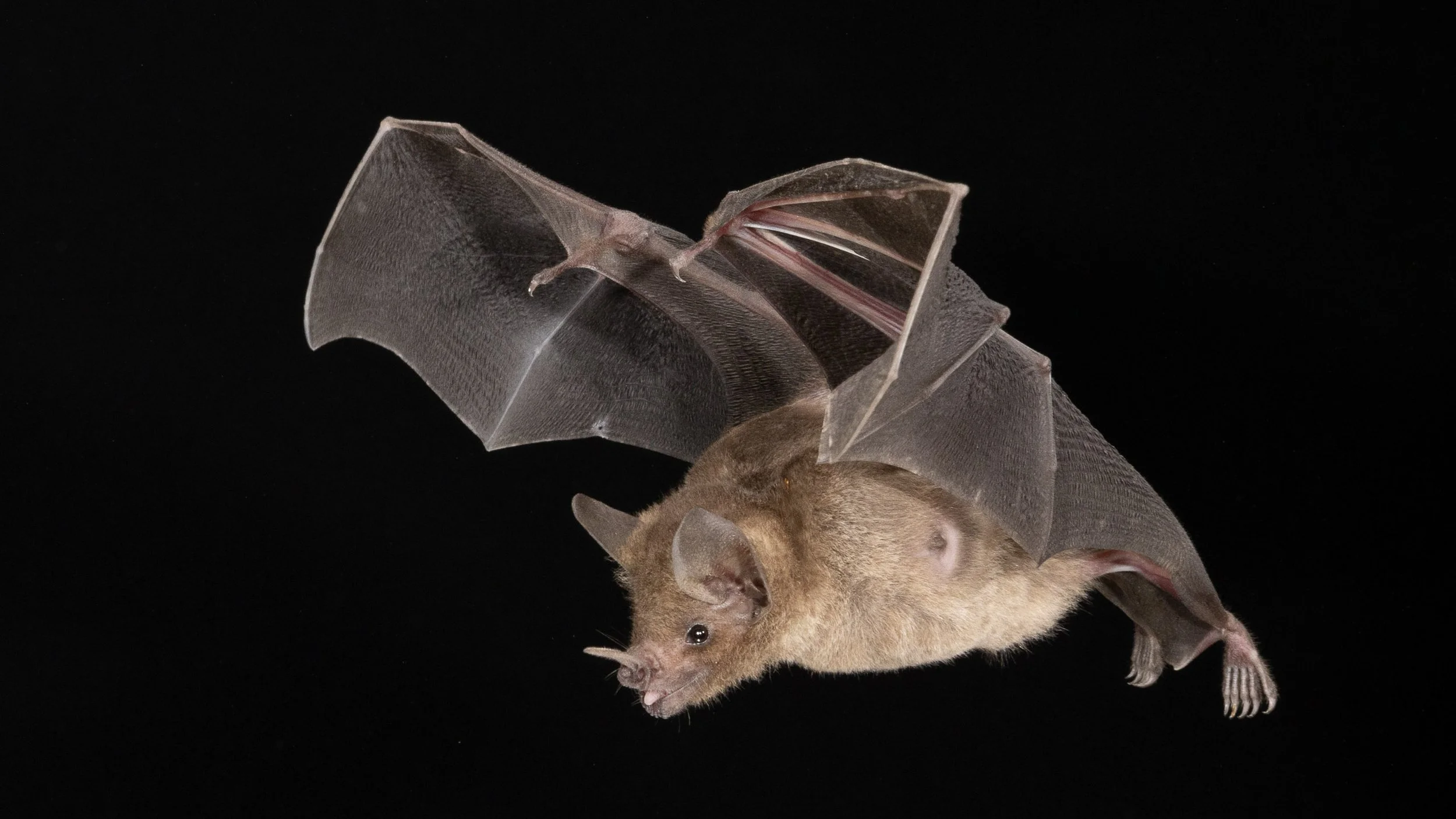
🌽 Carollia perspicillata is a Neotropical fruit bat that specializes on Piper species, playing a key role in seed dispersal and the regeneration of secondary forests.

🥭 Artibeus jamaicensis is a fruit bat found throughout the neotropics. They have variable fur patterning on the face, often with faint stripes.

🥭 Dermanura phaeotis

🥭 Ectophylla alba in a self-made tent in Costa Rica.
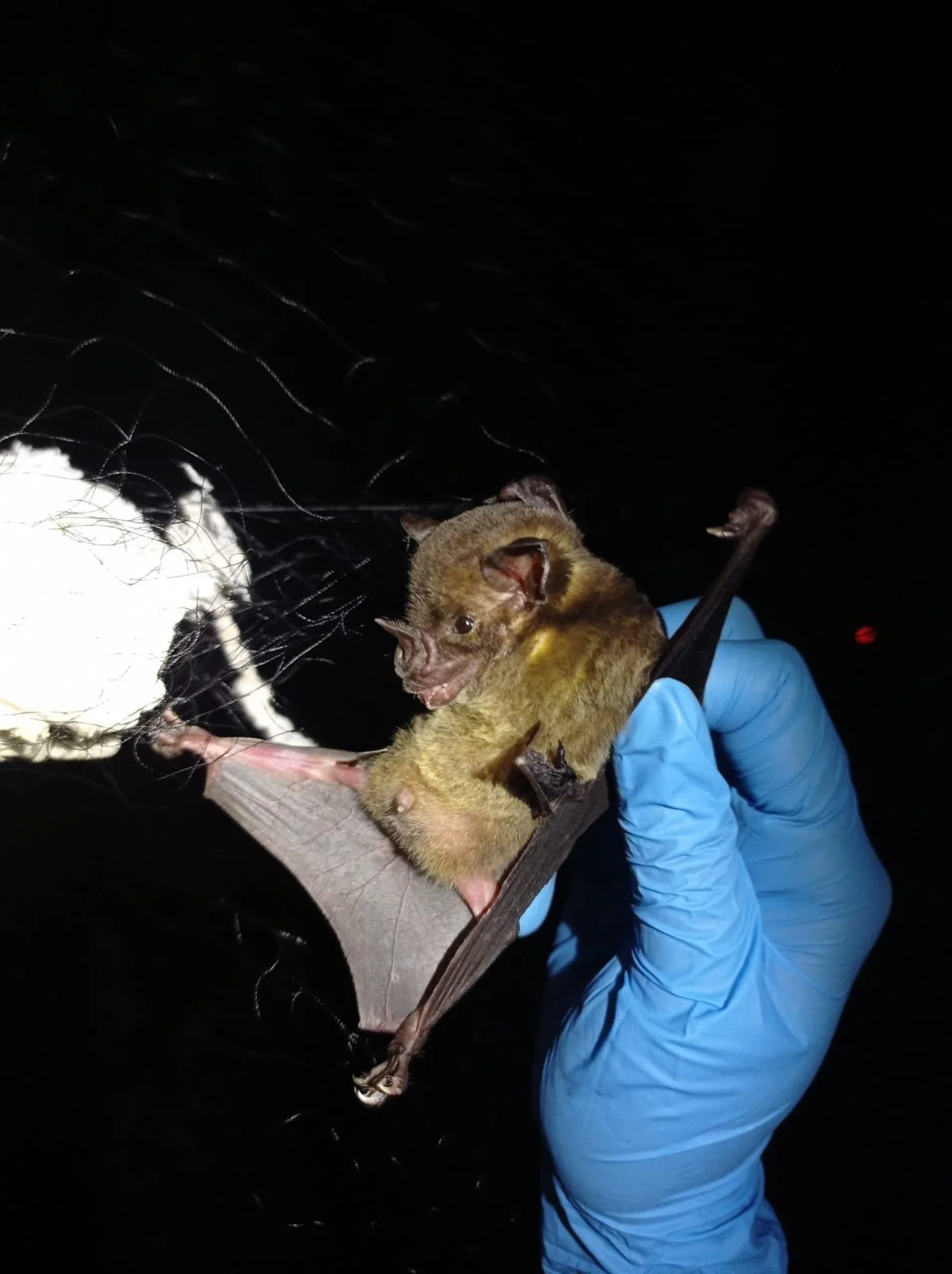
🌸🥭🦋Phyllostomus discolor are omnivorous, with a preference for nectar, pollen, and flowers.

🦋 Gardnerycteris crenulatum is an insect-eating bat.
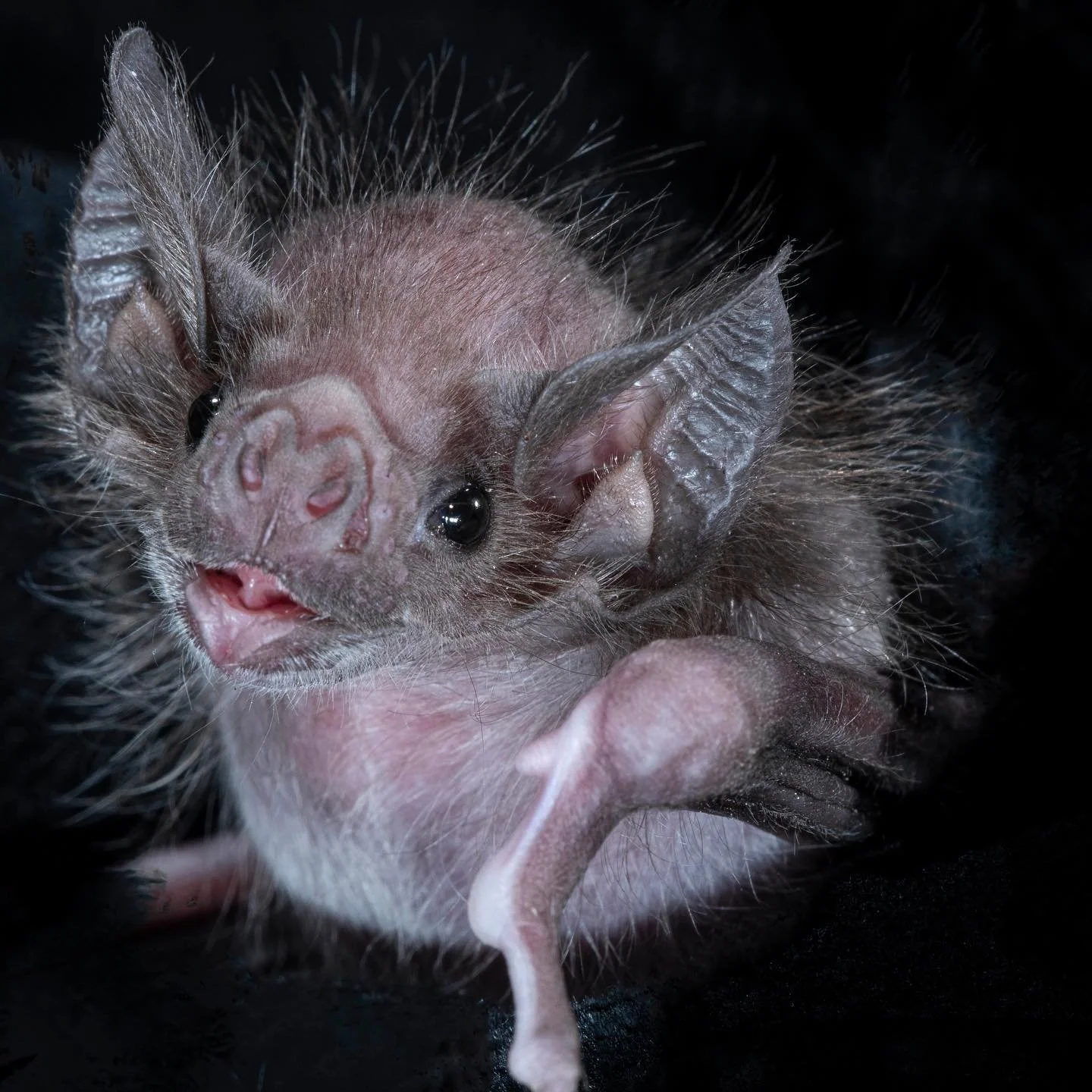
🩸This baby Desmodus rotundus is one of the three species of obligate blood feeders. They start with drinking milk and switch to specializing in mammal blood!

🦋 Micronycteris schmidtorum and other species within this genus represent the earliest-branching lineage of phyllostomid bats.

🦋 Micronycteris minuta

🦗 Lophostoma evotis
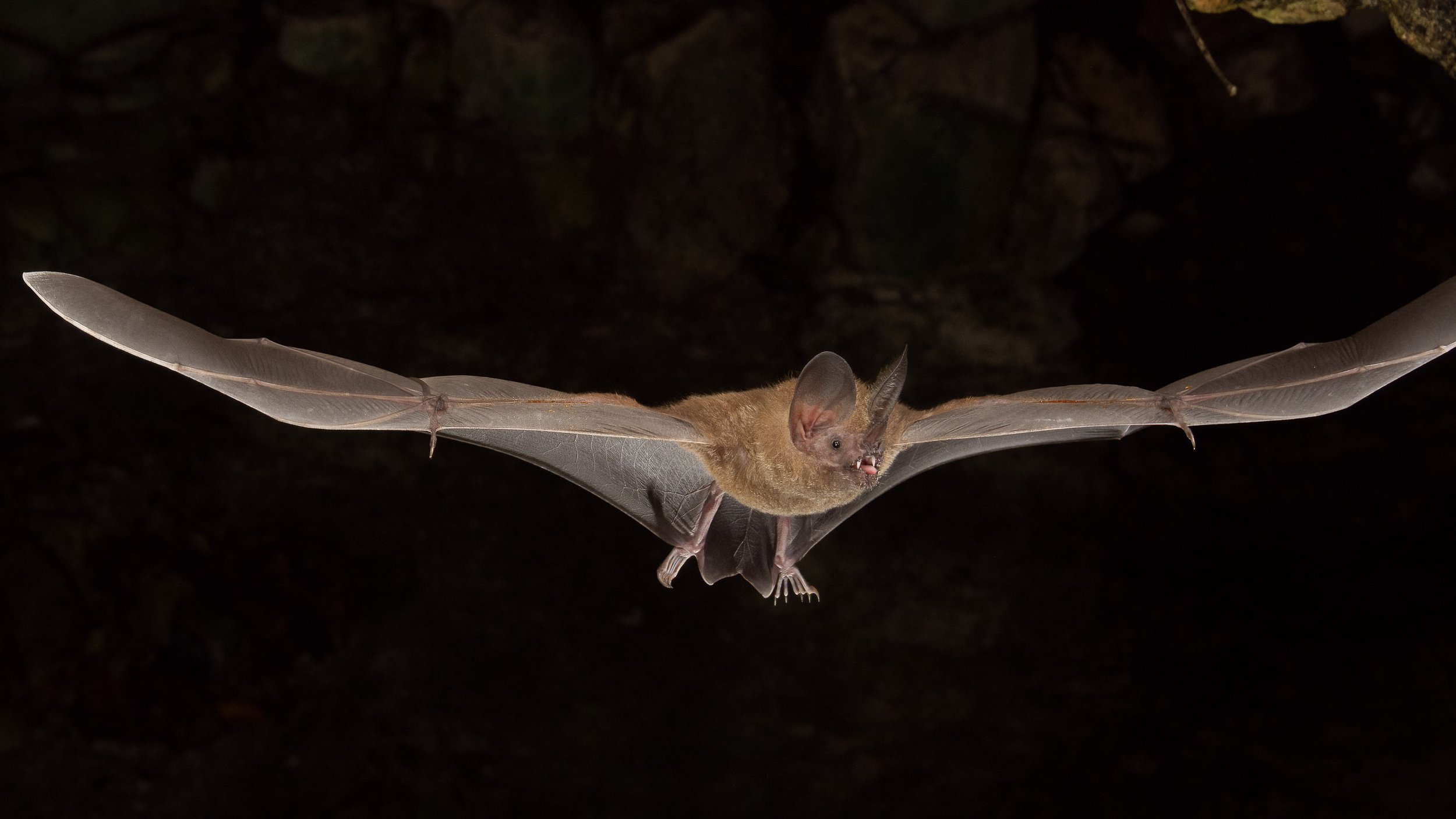
🐸 Trachops cirrhosus
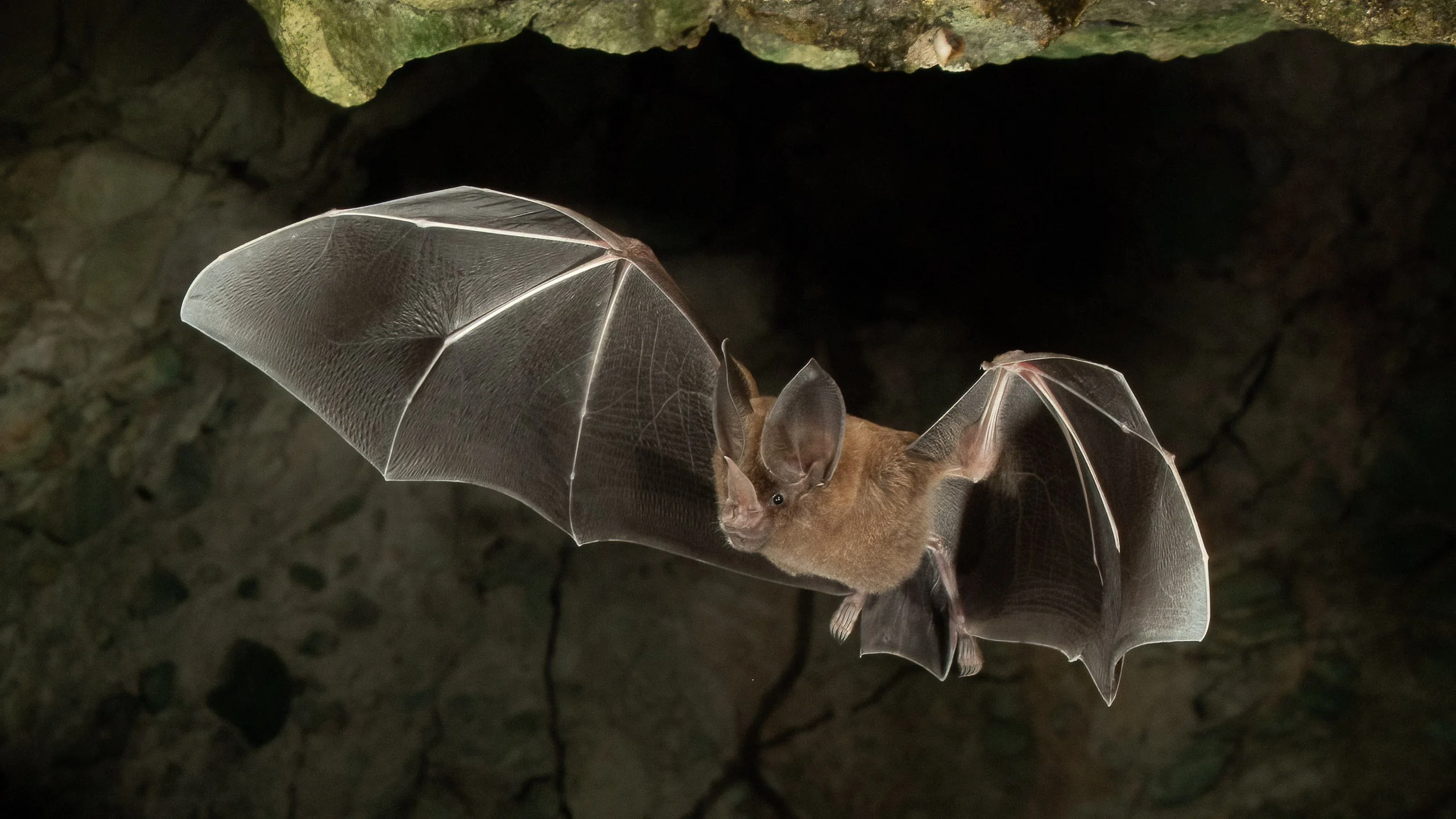
🦗Mimon cozumelae

🪲 Pteronotus mesoamericanus in Belize.
📷 Bat flight photos by Brock Fenton