
Our Research
How do organisms remain functional under chronic and repeated stress? While sustained nutrient imbalance causes pathology in most mammals, some species tolerate prolonged exposure without loss of tissue integrity or organismal performance. By investigating these systems, we aim to uncover the cellular and tissue-level mechanisms that stabilize physiology across timescales. Understanding how metabolic resilience is built provides a framework for linking health and disease to the evolutionary strategies that enable persistance in changing environments.
Research Themes
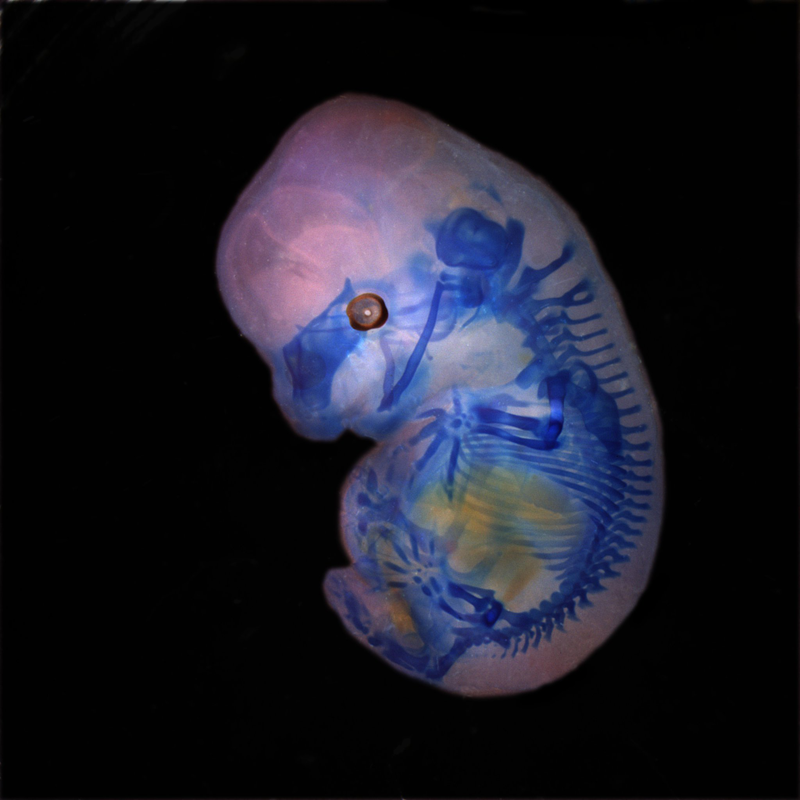
Eco-evo-devo
Origins of adaptations
Nutrient-derived signals originate in the gut and are distributed systemically, shaping energy availability and blood flow across tissues, including the brain. Neural and hormonal systems integrate this metabolic state to coordinate physiology and behavior. We study this metabolic–neural interface to understand how energy acquisition and allocation are translated into organismal function, and how these coordination mechanisms have shaped mammalian evolution.

Dietary diversity
Ecological drivers of mammalian evolution
Diet is a powerful evolutionary force that structures the metabolic challenges organisms face. We study how differences in nutrient availability, composition, toxicity, and access shape physiology by altering how nutrients are acquired, digested, and assimilated. By comparing species across dietary niches, we investigate how variation in food acquisition and gut function modulates systemic nutrient exposure and constrains downstream metabolic responses.
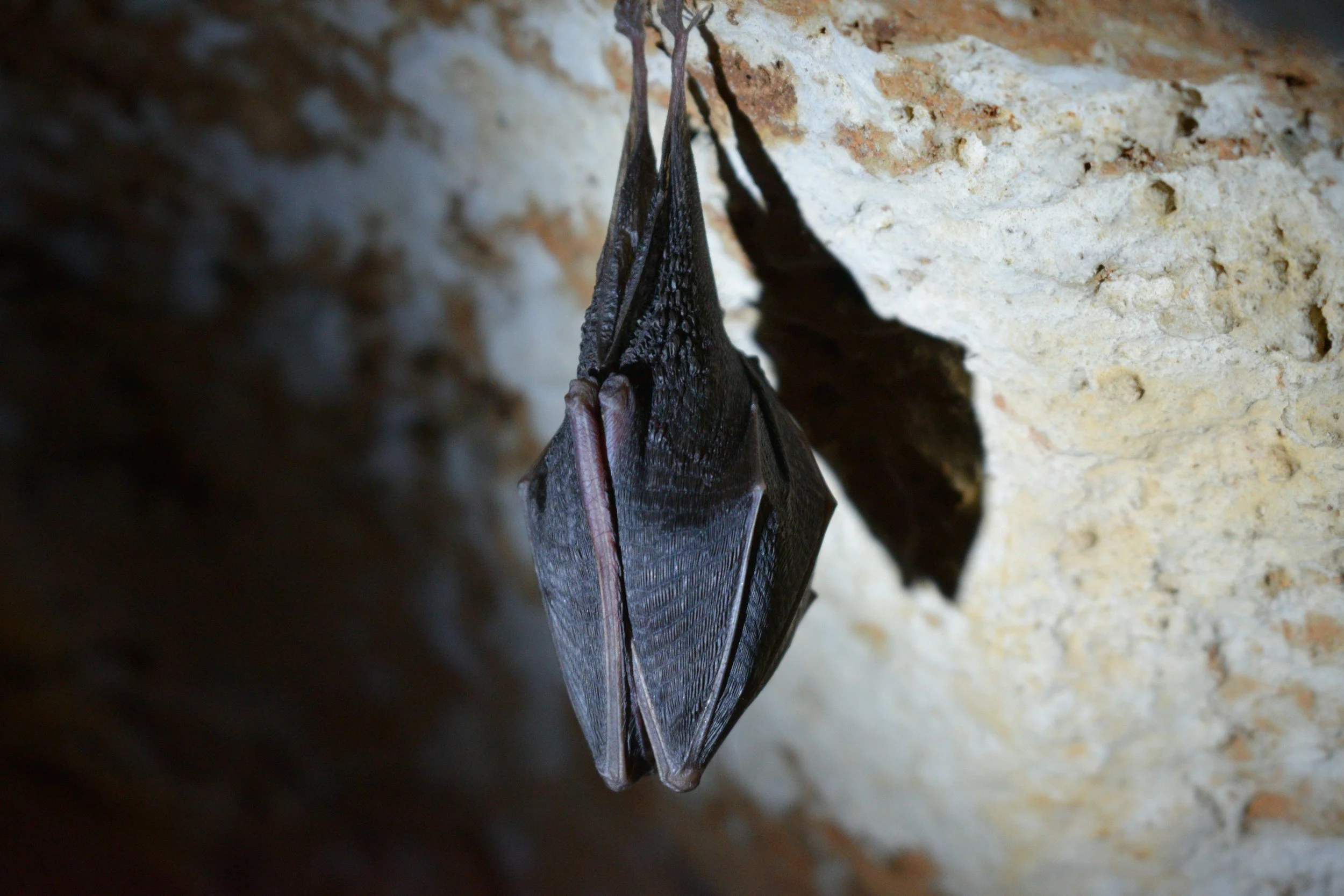
Living at the extremes
Metabolic resilience to environmental challenges
Sustained metabolic challenge places pressure on tissues over time. Metabolic and immune systems interact to regulate inflammation, tissue maintenance, and recovery under these conditions. We investigate immune–metabolic interactions that favor tolerance, repair, and long-term stability rather than pathology. By focusing on systems that maintain balance under chronic stress, we aim to uncover principles that protect tissues and preserve organismal function.